
Yuna MATHIEU-CHOVET
Dear Yuna,
I truly believe that if your beloved Georgiana Houghton had the opportunity to witness your practice, she would have smiled and nodded in appreciation and understanding. If she could travel through time from mid XIX century Britain and end up in today’s Brussels, the spiritualist and painter would feel somewhat at home in front of your work.
Like you, she had a fascination and a command of the medium of photography. In 1882 she published a collection of photographs titled Chronicles of the Photographs of Spiritual Beings and Phenomena Invisible to the Material Eye, to capture in static pictures the overlapping temporalities of people living and the ones no longer walking in this plane of existence. Portraits of solid humans hugging vanishing silhouettes, created via double-exposure techniques.
I’m convinced Georgiana would see a similar need to emphasize diachronic presence in your series Unsquared: she would marvel at your intent to expand from the arbitrarily dictated limitation of the medium, the shapes and distribution of light beyond the Western art canon, through historical and atavistic signs that seem to reach us today as effectively as they would have thousands of years ago.
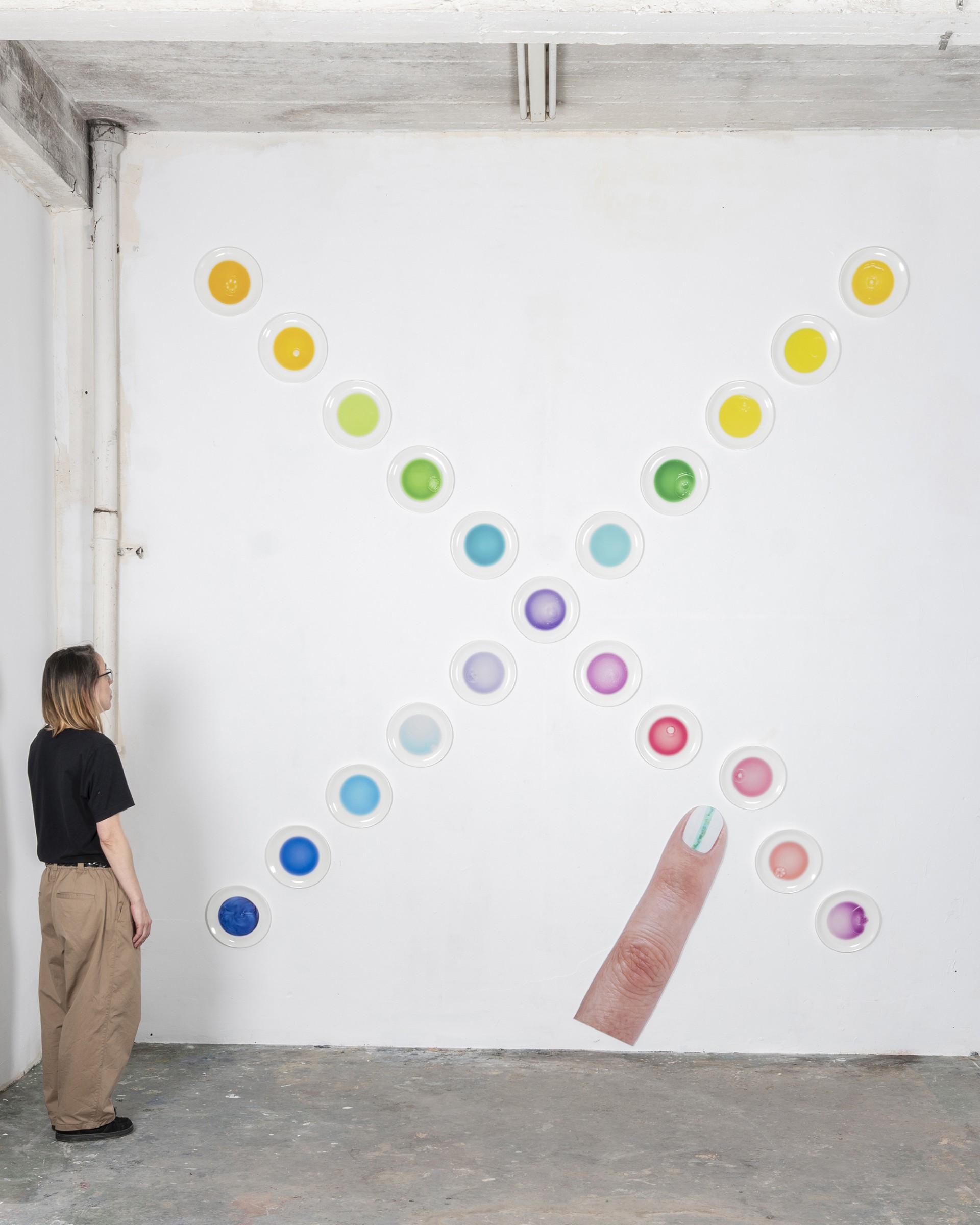
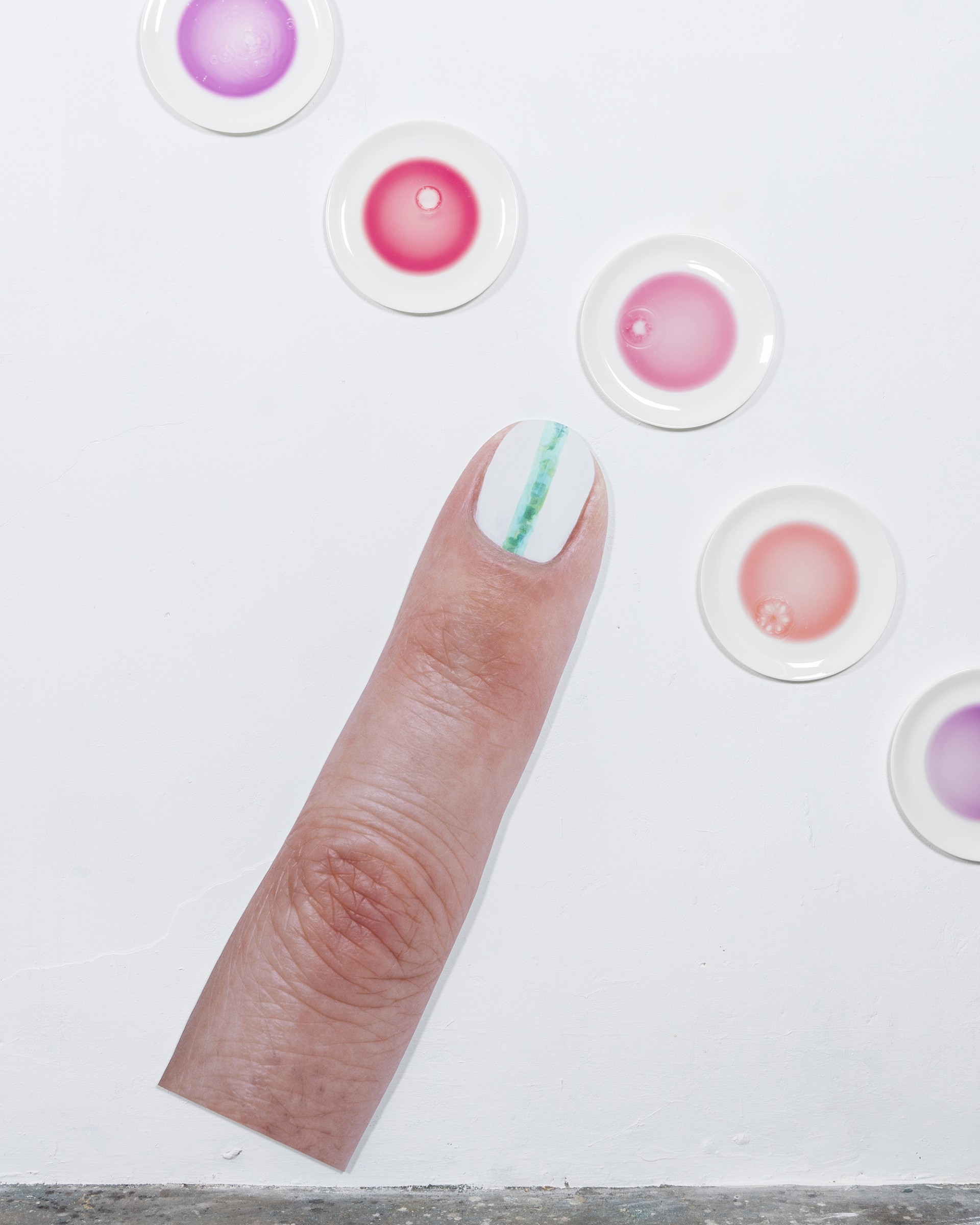
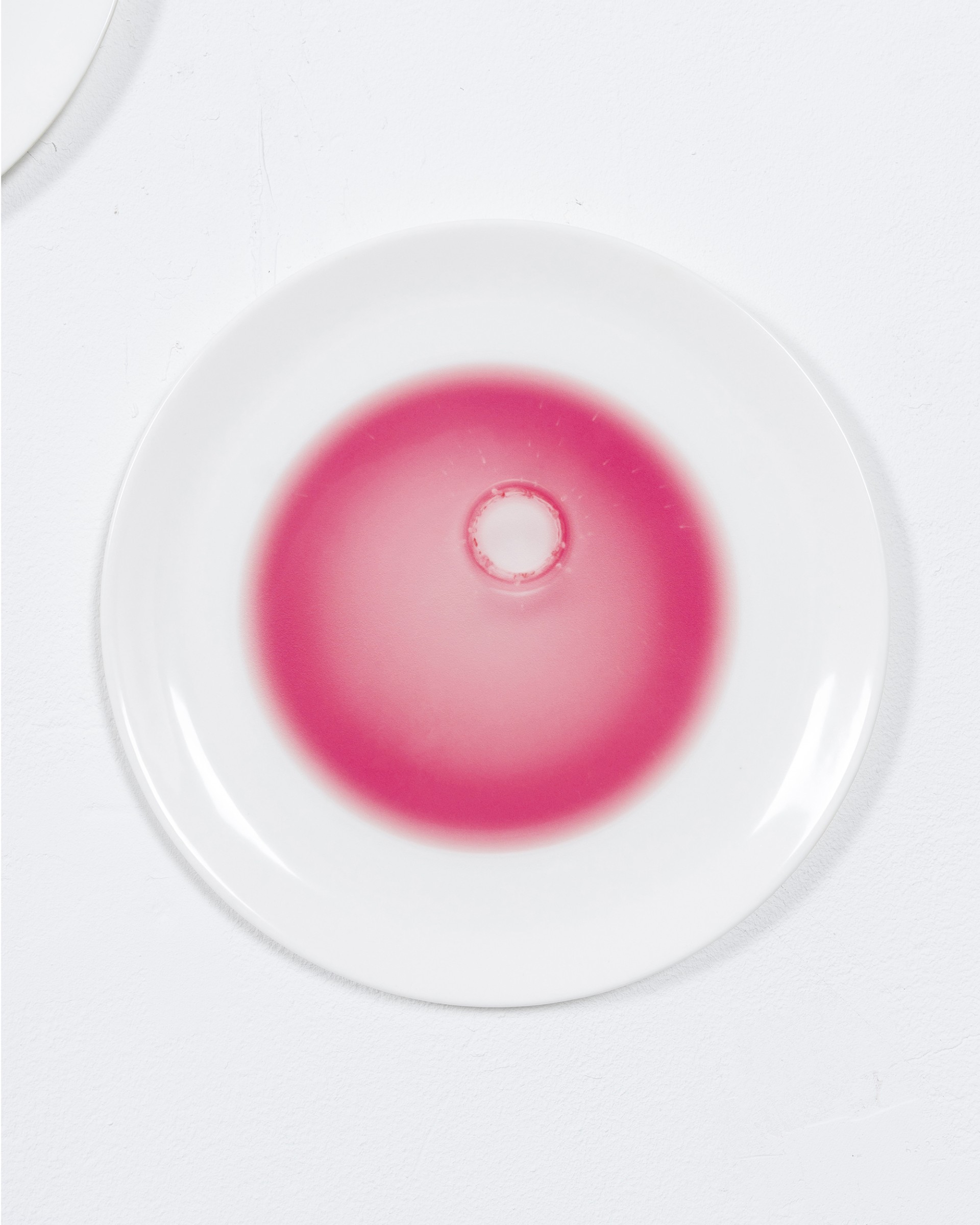
The graphic symbols you have utilized in your work, sometimes lifted from cave paintings, land the meaning of your work to a prolific a-historicity. And your plates – containing crystalized movements – play with another kind of division of time and societal classification. High/decorative-low art; the personal time of domesticity and care/the public time of politics: dichotomies that are conflated and disarmed by installing the pieces as paintings on the wall of a white cube AND as manifestos on a public building. The photos of nails that are making an appearance in your most recent work seem like a natural prosecution of this deliberate disruption of a preconceived hierarchy of expression. Nails—before they became anything else —were weapons, instruments for survival. But isn’t survival and self-actualization what people do when painting their nails, doing their make-up, using their bodies as public canvases, conflating the privacy of their bodies with the public relevance of their behavior? This is how many will finally secure a seat at the table, by scratching and then ripping the door open with their painted nails. Your nails are your private gallery, a way to access both the fruition and production of canonized masters simultaneously. Once mounted on the wall, the low art of nail painting shines on the dignifying stage of public display.
Recently “rediscovered”, Houghton is one of those people whose contribution has been for decades undervalued and downplayed. She would appreciate the titles of many of your works to. Above all, she would recognize the communion of two worlds: photography and painting, public and private, canon and low art. In it —don’t you agree? —she would have seen a vertigo of potential and hope.
Valentina Bianchi
Valentina Bianchi is a Brussels-based curator exploring environmental themes through a feminist perspective and methodology. She works independently and within institutions in both Italy and Belgium. One of her current projects includes a series of zines and workshops focused on queering history and ecology.
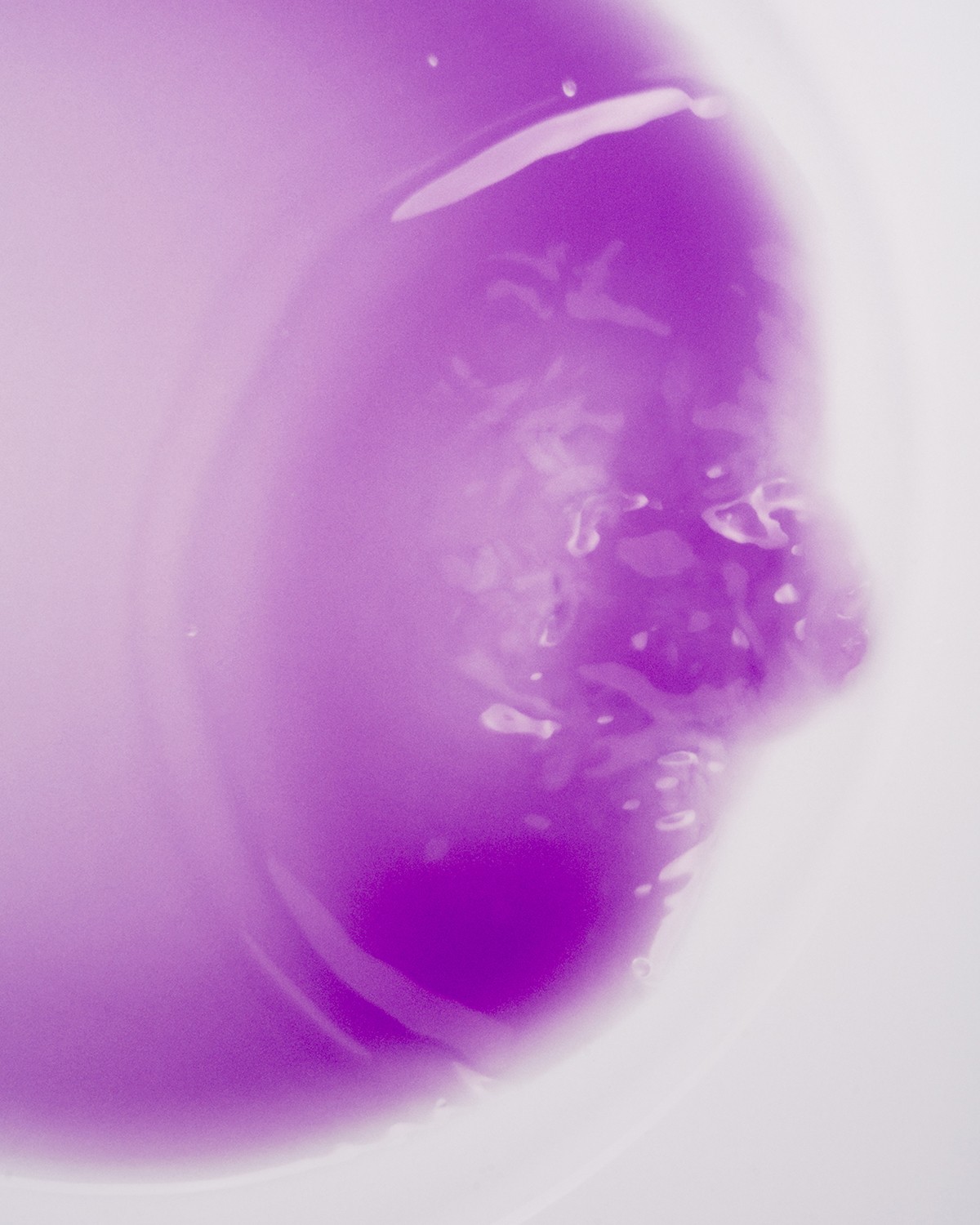
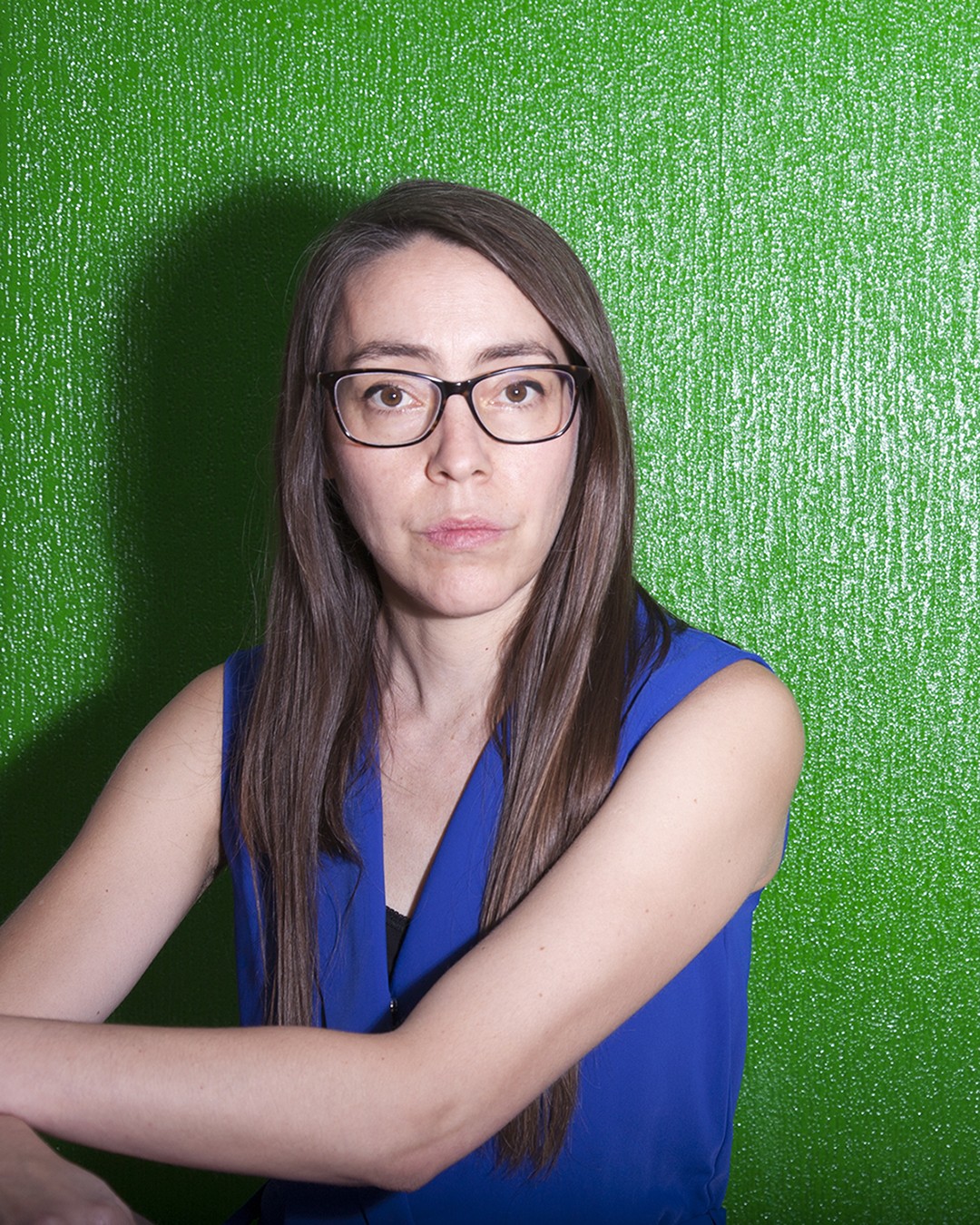
Légendes
– Photos du haut : Right in the corner (à côté de la plaque), [B.O.S series, plates & Nail painting, after Olga Rozanova (Green Stripe, 1917)], 2026. Sublimation on plate, UV print on dibond, 360×360 cm © Téo Becher
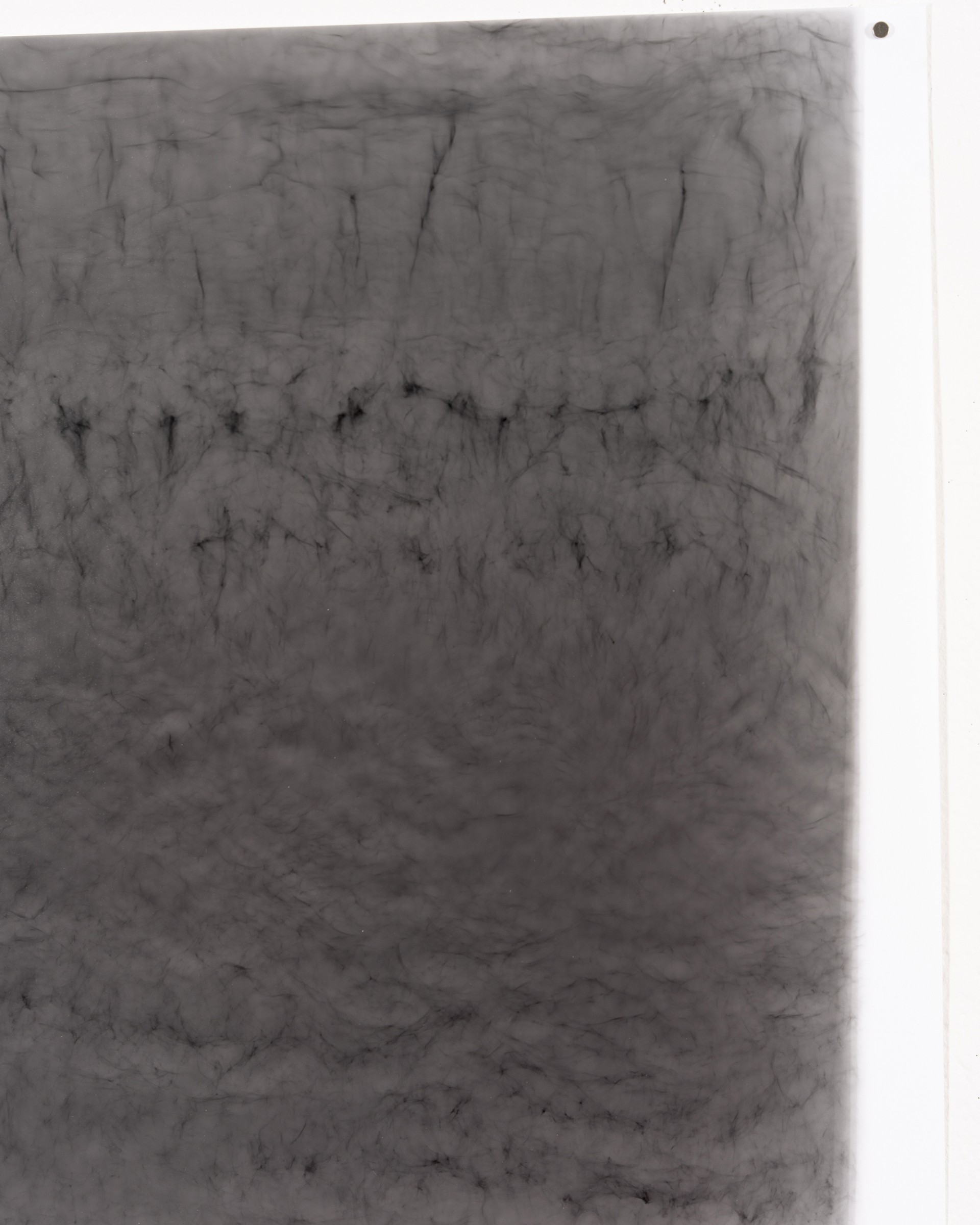
– Photos en bas à gauche : Birth of shapes, photograms series, 2024, MGRC deluxe pearl Ilford black and white photographic paper, 30,5×40,6 cm © Téo Becher
– Photos en bas au centre : Birth of shapes, Big plate series, Purple, 2025, analog lambda photographic print mounted on dibond, 120 cm (diam) © Téo Becher
– Photos en bas à droite : Portrait de l’artiste © Téo Becher